5% off selected items!
use code: 5%OFF
use code: 5%OFF

In the quest for "perfect" water, many hobbyists turn to Reverse Osmosis (RO) or Distilled water. This water is purified to a state of near-zero Total Dissolved Solids (TDS). However, there is a catch: Pure water is biologically "dead."
Fish depend on a process called Osmoregulation to stay alive. Because freshwater fish have a higher salt concentration in their bodies than the water around them, they naturally absorb water through their skin and gills. If you place a fish in 100% pure RO water, the osmotic pressure becomes so extreme that their cells can literally rupture from the rapid intake of water.
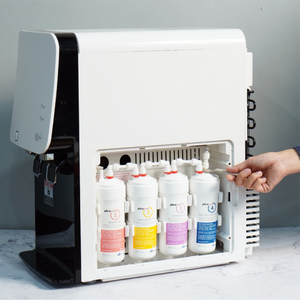
The secret to professional-grade fish keeping is Remineralization. You use a high-tech filter to strip out the "bad" pollutants (chlorine, metals, nitrates), but you must then add back the "good" essential electrolytes and trace minerals. High-purity water is a perfect canvas, but it still needs the right minerals to support life.This content was AI-generated, please review yourself.